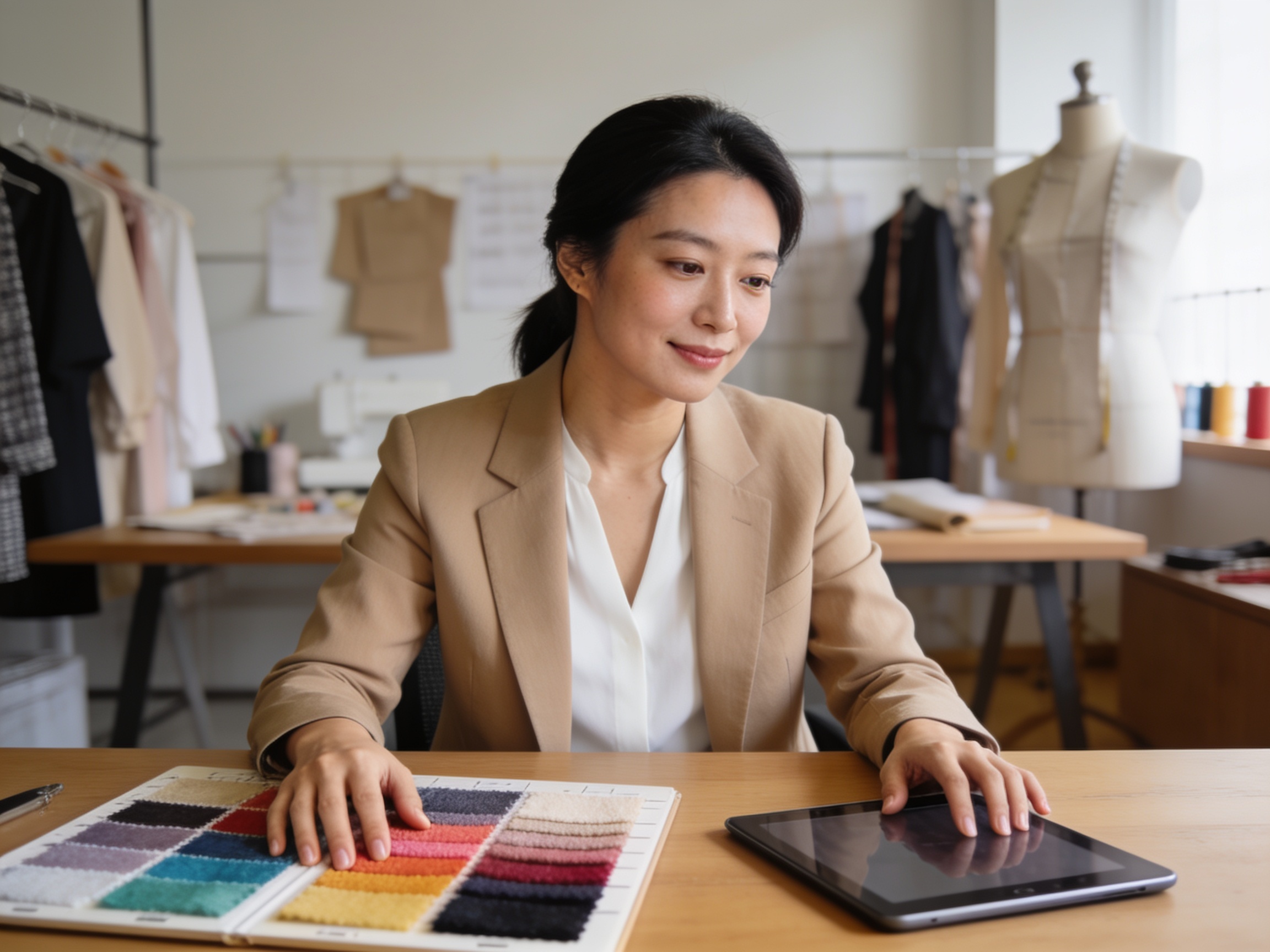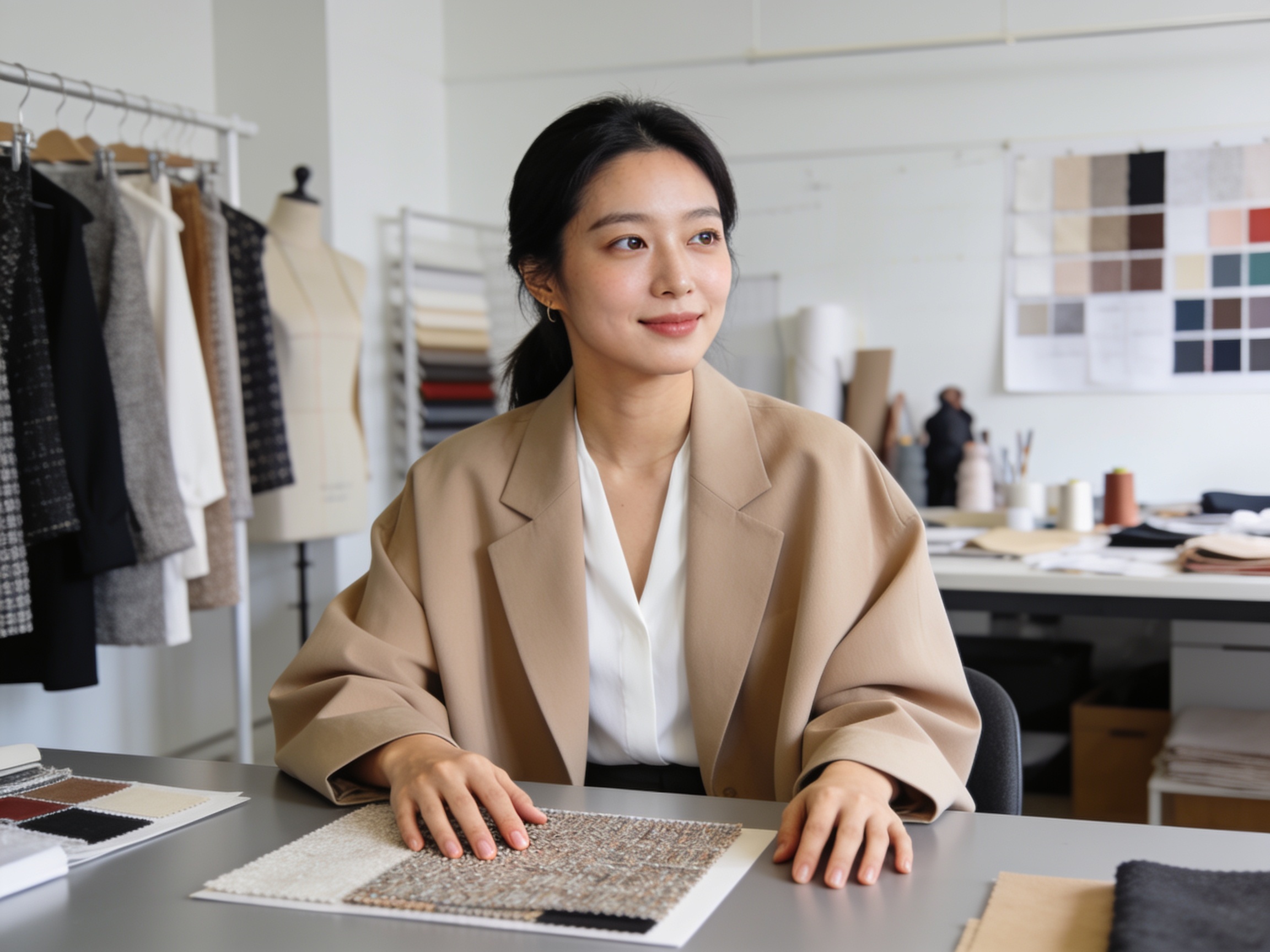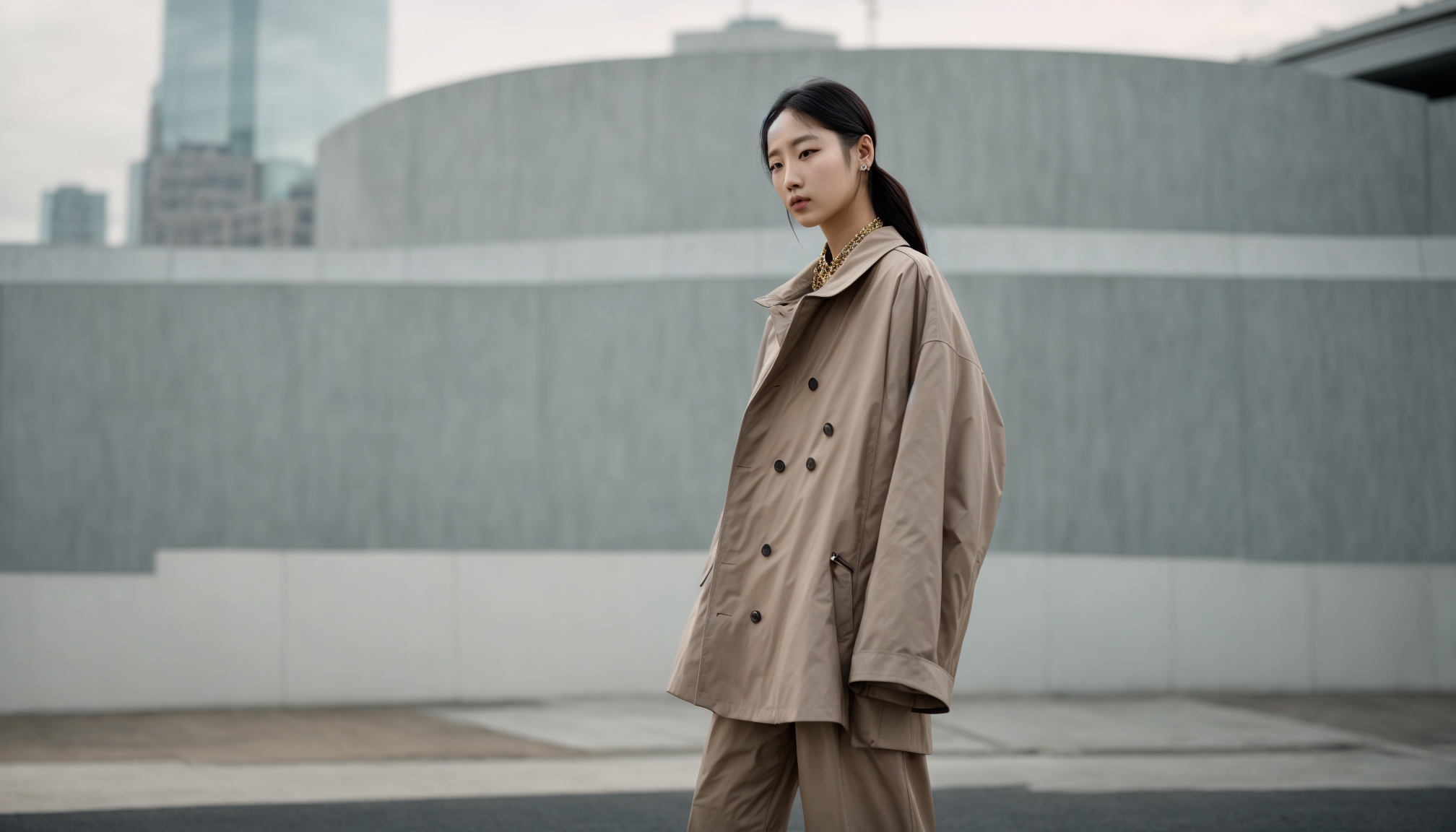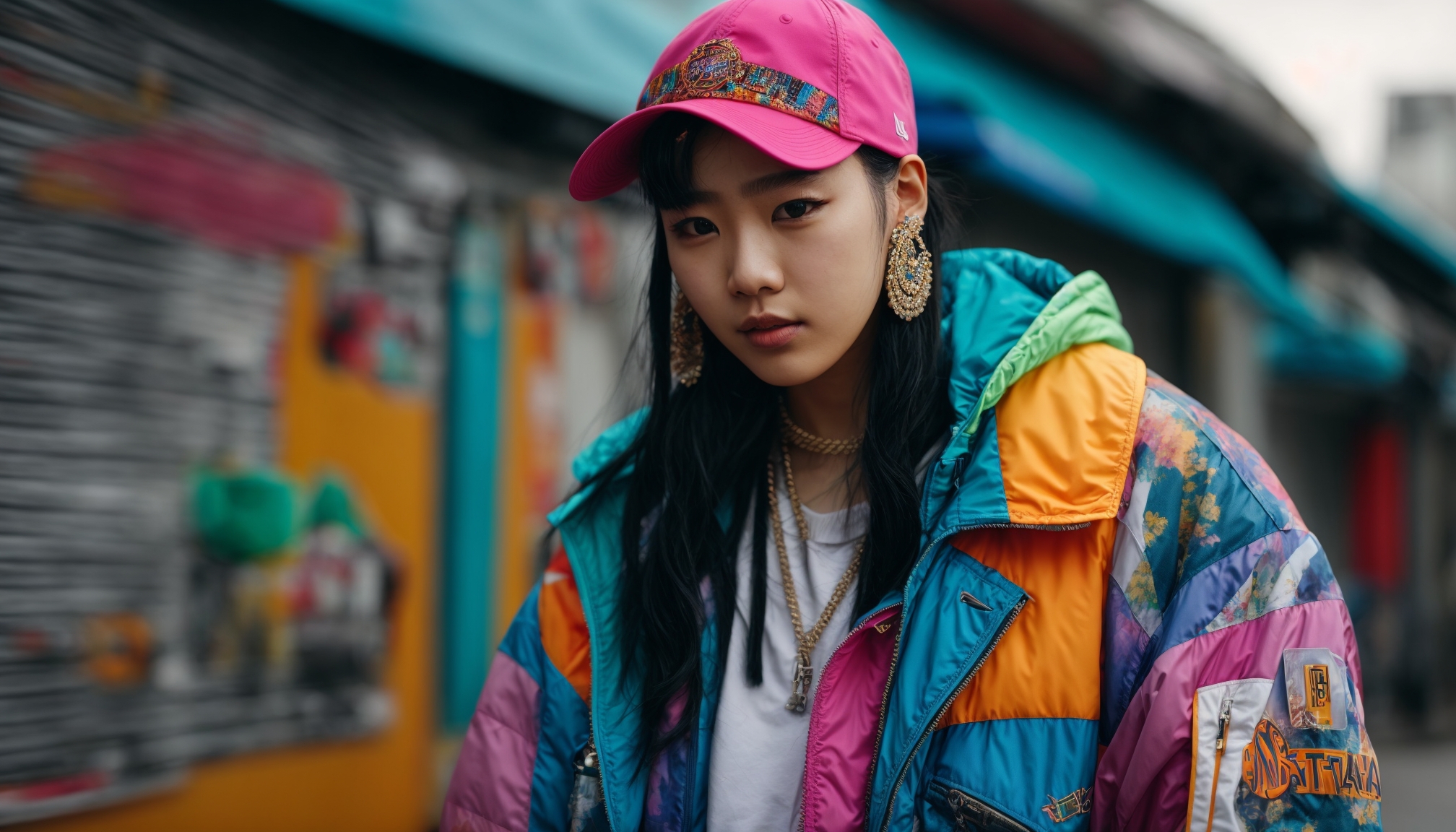
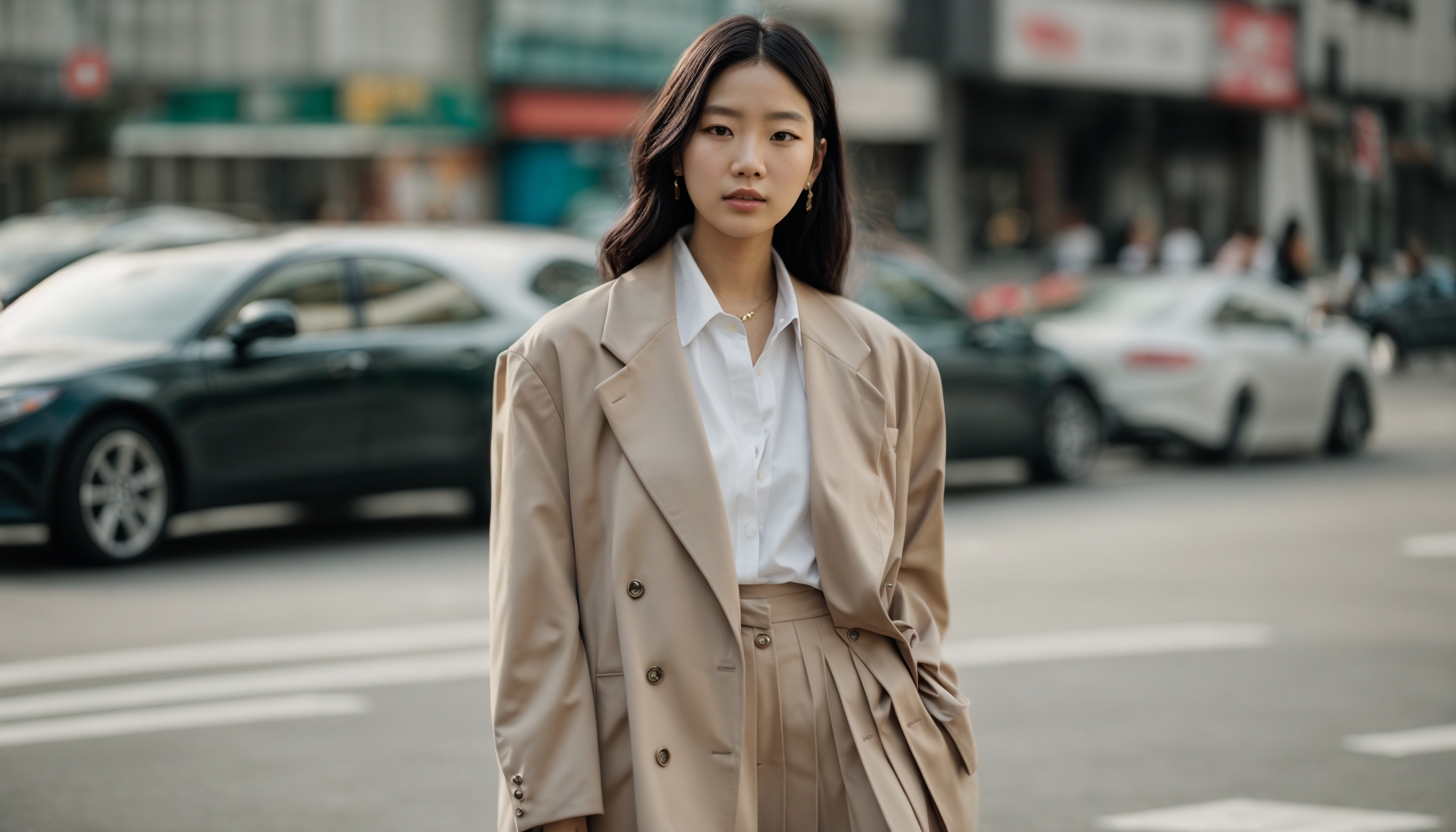
KpopStarz Smashing – Korean-inspired styling, bold silhouettes, and digital-first brands show how k-fashion wardrobe trends are reshaping what people wear in major cities worldwide.
Understanding The Rise of K-Fashion Wardrobe Trends
The surge of interest in k-pop, k-dramas, and Korean lifestyle content has turned k-fashion wardrobe trends into a powerful global style engine. Audiences do not just passively watch idols and actors; they actively copy outfits, hairstyles, and accessories they see on screen. This cycle pushes Korean brands and stylists into the international spotlight and accelerates the spread of new looks.
Streaming platforms, social media, and online communities help these styles move across borders in real time. A jacket worn by an idol on stage can sell out worldwide within hours. As a result, Korean labels now design with international customers in mind, even when they still reference local street style and youth culture.
At the same time, Western luxury houses collaborate with Korean ambassadors and stylists. This two-way relationship means that k-fashion wardrobe trends both influence and absorb global aesthetics, creating a hybrid style language that feels modern and inclusive.
Key Visual Signatures Defining K-Fashion Wardrobe Trends
Several distinct elements make k-fashion wardrobe trends easy to recognize, even when pieces come from different brands or price points. Layering plays a central role. Outfits often combine shirts, vests, jackets, and outerwear in structured but relaxed shapes, creating depth without looking heavy.
Silhouettes lean toward oversized tops with slim or straight-leg bottoms, or the reverse. This balance keeps looks sharp yet comfortable. Soft tailoring, such as boxy blazers over simple T-shirts, bridges streetwear and office-appropriate style. On the other hand, gender-fluid pieces, like wide pants, cropped knits, and shirt dresses, appear across menswear and womenswear.
Color palettes show deliberate contrast. Neutrals like black, white, gray, and beige dominate many outfits, but stylists frequently add one bold accent color. Accessories such as caps, minimal jewelry, and structured shoulder bags finish the look. Together, these choices allow k-fashion wardrobe trends to feel expressive while staying wearable for everyday life.
How Media and Social Platforms Amplify K-Fashion
Television and music performances act as runway shows for k-fashion wardrobe trends. Costume teams for k-dramas and variety shows work closely with designers and stylists to build distinctive characters through clothing. Viewers then search for exact items or similar alternatives, often guided by fan communities and fashion breakdown accounts.
Meanwhile, TikTok, Instagram, and YouTube spread styling tutorials at high speed. Influencers recreate idol looks using accessible brands or thrifted pieces. This approach makes aspirational outfits feel achievable and adaptable in different climates and cultures.
Read More: How Korean fashion evolved into a global style powerhouse
Brands respond by releasing capsule collections, publishing lookbooks, and partnering with popular content creators. Because most discovery happens through smartphones, visuals need to be strong at first glance. This requirement suits k-fashion wardrobe trends, which emphasize clean lines, sharp contrasts, and photo-ready proportions.
K-Fashion Wardrobe Trends and Everyday Dressing
Beyond concerts and fan events, k-fashion wardrobe trends now shape what many people choose for school, offices, and casual weekends. The blend of comfort and polish fits hybrid lifestyles where remote work, social outings, and nightlife often overlap in one day.
For example, an oversized blazer, plain T-shirt, and tailored shorts combination feels relaxed yet ready for meetings or dinner. Platform sneakers or loafers provide height and presence without sacrificing comfort. These outfit formulas travel easily, allowing people to recreate a similar mood using items from local retailers.
Many young professionals appreciate how k-fashion wardrobe trends encourage experimentation without demanding extreme risk. They can start with a neutral base, then adjust hemlines, layering, or accessories to match personal taste or dress codes. This modular approach supports sustainable habits, as small updates refresh existing wardrobes.
Retail, E-Commerce, and The Business of K-Fashion
Retailers worldwide now watch k-fashion wardrobe trends as closely as runway shows. Buyers study what idols wear at airports, award shows, and brand events. They also analyze search data from global fashion platforms to identify emerging categories such as cropped blazers, pleated mini skirts, or wide-leg cargo pants.
Online marketplaces host a growing number of Korean and Korea-inspired labels that ship internationally. Detailed size charts, styling tips, and influencer lookbooks help customers navigate new fits and proportions. Strong visuals and social proof build trust for shoppers who may be ordering from overseas for the first time.
In addition, some multi-brand retailers curate dedicated sections or pop-ups focused on k-fashion wardrobe trends. These spaces introduce customers to both established and independent designers, encouraging discovery beyond the most famous idol-endorsed names.
Adapting K-Fashion Wardrobe Trends Around The World
As k-fashion wardrobe trends spread, people reinterpret them through local climates, body types, and cultural norms. Lightweight fabrics replace heavy layers in tropical regions, while thicker knits and coats dominate in colder countries. Tailoring adjustments ensure oversized silhouettes remain flattering and functional.
Some consumers mix Korean-inspired pieces with vintage or traditional garments from their own cultures. This blending creates personal narratives rather than direct copies of idol outfits. It also supports more conscious consumption by integrating new influences into existing closets instead of starting from zero.
Designers continue to watch how global audiences wear and modify k-fashion wardrobe trends. Their observations feed back into future collections, making the style language more diverse and inclusive over time. Many labels now share inspirations openly, acknowledging international fans as active collaborators in shaping new directions.
Ultimately, the appeal of k-fashion wardrobe trends lies in their balance of playfulness, comfort, and polish. As more people use these looks to express identity and mood, Korean-inspired styling will likely remain a central reference point in the evolving global fashion conversation.