
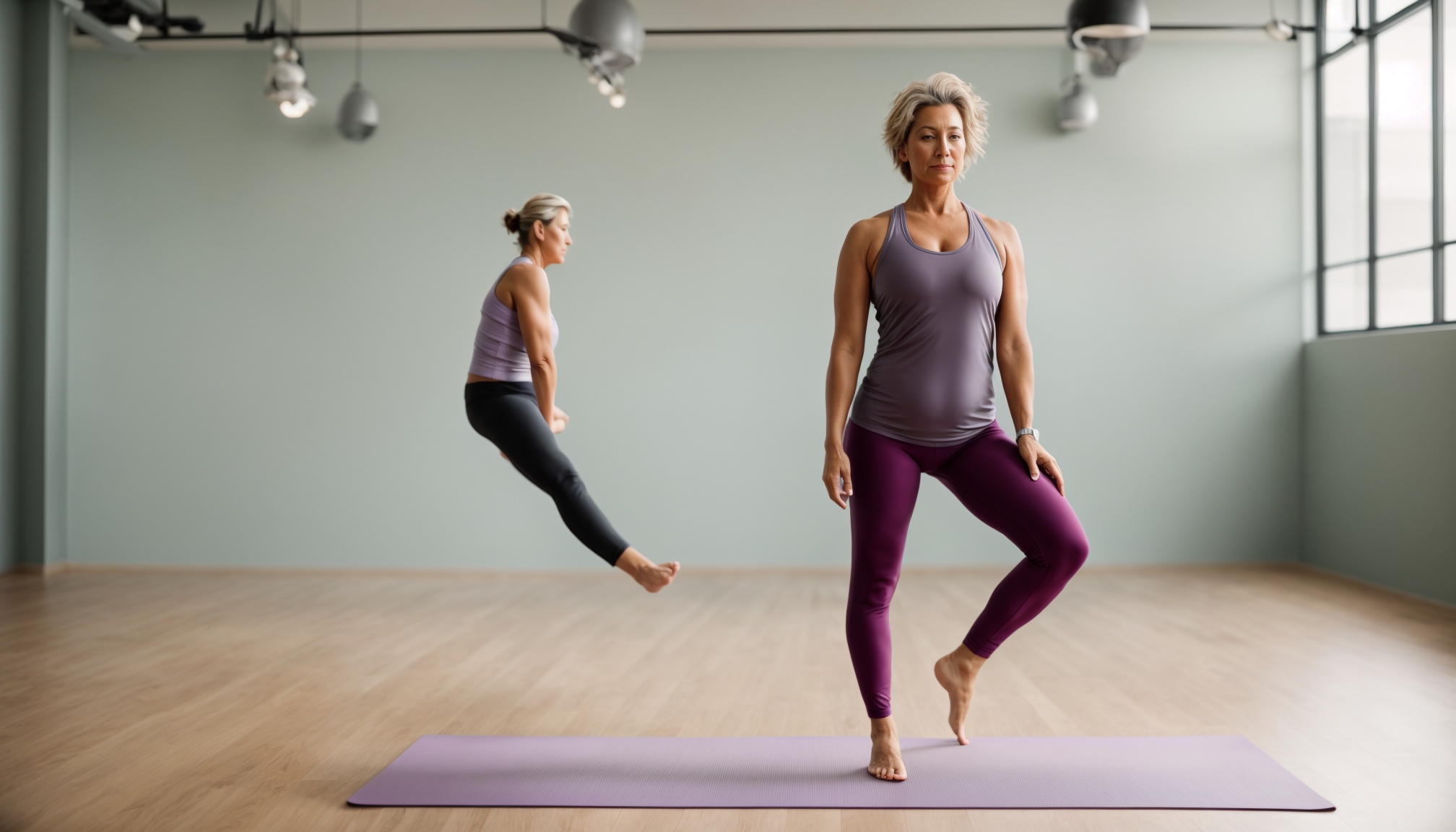
KpopStarz Smashing – strength and balance activities play a crucial role in preventing injury in women by improving muscle function and body stability from an early age.
Understanding Strength and Balance Activities
Strength and balance activities involve exercises designed to increase muscle strength and improve the body’s ability to maintain stability. For women, engaging in these activities enhances joint support and coordination, which significantly lowers the risk of injuries such as falls or strains. Key exercises include weight training, yoga, Pilates, and tai chi, each targeting core muscles and balance mechanisms.
Benefits of Strength and Balance Activities for Women
Women benefit from strength and balance activities beyond injury prevention. These exercises contribute to better posture, increased bone density, and greater flexibility. They also support hormonal balance by reducing stress and increasing overall physical fitness. Importantly, they prepare women to handle everyday physical challenges confidently, reducing the incidence of accidents and setbacks.
Effective Exercises to Incorporate
Incorporating strength and balance activities into a regular routine can be straightforward and rewarding. Exercises such as squats, lunges, and plank positions build strength, while balance-focused exercises like single-leg stands and heel-to-toe walks improve stability. Utilizing tools like balance boards and resistance bands can further enhance training effectiveness.
Read More: Balance Exercises to Prevent Falls in Older Adults
Implementing Strength and Balance Activities Safely
Safety is paramount when practicing strength and balance activities. Women should start with low-impact exercises, gradually increasing intensity as strength and balance improve. Consulting with healthcare or fitness professionals ensures personalized modalities that consider individual health conditions. Warm-up and cool-down routines also reduce injury risks during sessions.
Maintaining Long-Term Commitment to Injury Prevention
Consistency in strength and balance activities leads to lasting injury prevention benefits in women. Emphasizing routine practice fosters muscle memory and confidence in body control. Likewise, the adaptability of these exercises means they can evolve with age or changing fitness levels, maintaining their effectiveness through all life stages.
In summary, engaging regularly in strength and balance activities is vital for women aiming to prevent injury and maintain physical well-being throughout life.