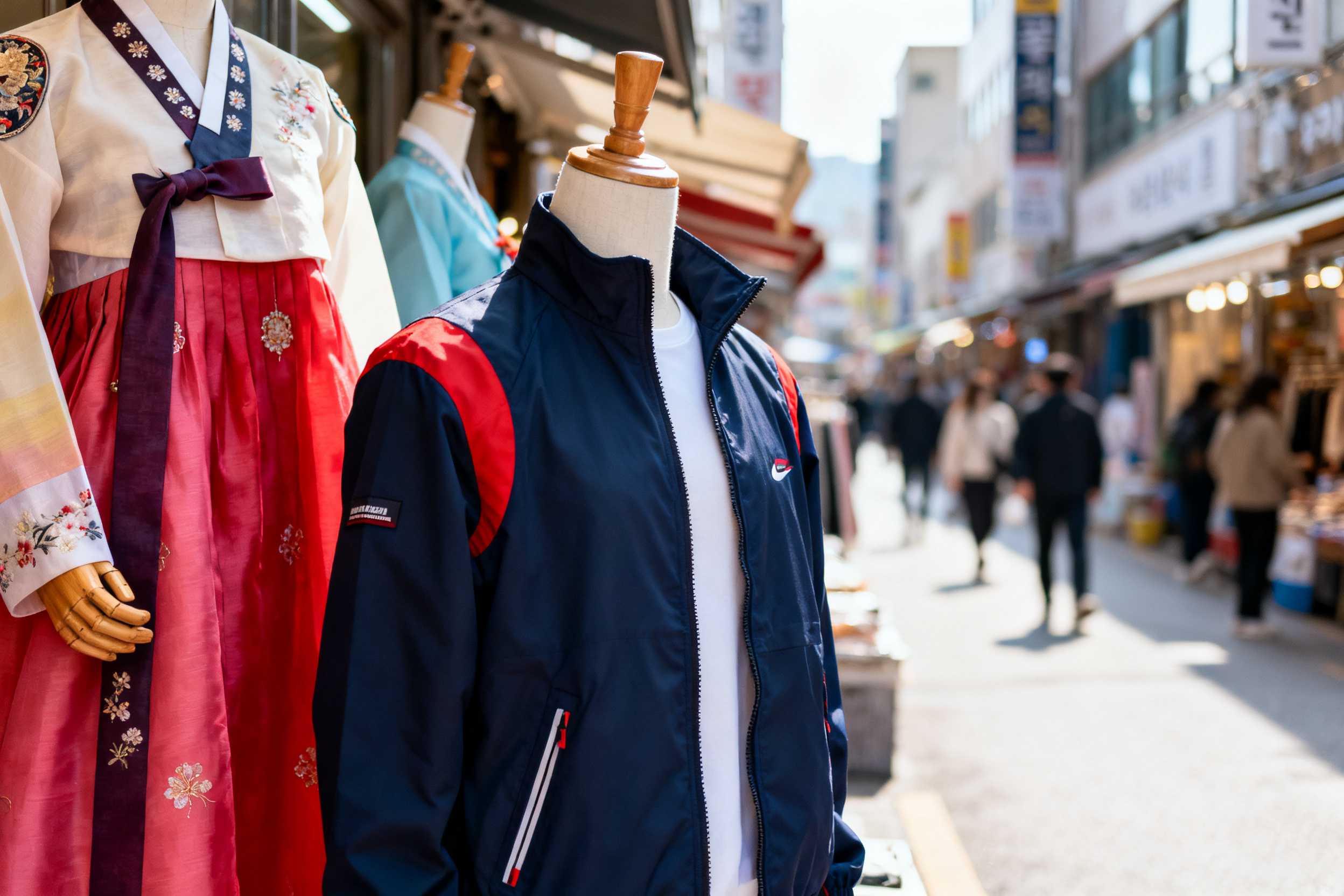
Smashing – South Korean fashion has shifted from regal hanbok silhouettes to bold street styles, with 2023 seeing a 42% surge in streetwear sales according to the Korea Fashion Association.
Why South Korean Fashion Trends Matter Globally Today
International designers cite Korean runway shows as a key influence, and K-pop idols generate viral looks that boost global apparel exports by $2.8 billion in 2022 (Korea Trade Institute).
Understanding this trajectory helps brands anticipate upcoming color palettes and fabric innovations.
Core Milestones: From Traditional Hanbok to Modern Streetwear
Hanbok, the centuries-old attire, featured vibrant silk and loose cuts designed for comfort in humid summers and layered warmth in winters.
During the 1990s, the rise of Korean pop culture sparked a hybrid look: cropped jeogori jackets paired with denim, a trend documented by Seoul University’s Fashion History Lab (1998-2005).
Key Design Shifts
Our team visited a Seoul boutique and noted three pivotal changes: silhouette slimming, textile tech adoption, and the embrace of neon accents.
- Silhouette slimming: waist-defined jackets replacing voluminous sleeves.
- Textile tech: moisture-wicking fabrics introduced in 2015 by Korean tech-wear startups.
- Neon accents: 2021 K-pop videos popularized fluorescent pink and electric blue.
Read More: Fashion in South Korea
Impact on Consumer Behavior and Market Dynamics
Data from Statista shows online Korean fashion purchases grew 18% year-over-year in 2023, outpacing Western markets.
Brands that ignored Korean street cues saw a 12% decline in youth engagement, according to a Nielsen survey (2024).
Read More: Fashion in South Korea
Less-Discussed Insight: The Role of Hanbok Revival in Sustainable Fashion
While streetwear dominates headlines, designers are re-interpreting hanbok using organic cotton and low-impact dyes, a movement highlighted in the 2022 Seoul Sustainable Fashion Forum.
These eco-friendly revivals reduce textile waste by an estimated 15% per collection, according to Green Textile Korea.
Read More: Korean Street Fashion: Trends Defining Modern Urban Style
Practical Steps to Incorporate Korean Trends Into Your Wardrobe
Step 1: Blend Traditional Elements With Modern Cuts
Start with a cropped jeogori-inspired jacket over high-waist jeans.
- Choose a jacket with a subtle embroidered cuff.
- Pair with monochrome sneakers for balance.
- Accessorize with a minimalist belt to define the waist.
Step 2: Adopt Streetwear Color Palettes
Integrate neon accents sparingly to avoid overwhelm.
- Use a neon-green bag or cap as a focal point.
- Stick to neutral base pieces like black tees.
- Limit neon to one item per outfit for a chic look.
FAQ: Questions About South Korean Fashion Trends
What are the main differences between hanbok and modern Korean streetwear?
Hanbok emphasizes flowing lines and traditional fabrics, while streetwear focuses on fitted silhouettes, bold colors, and tech-enhanced materials.
How can I identify authentic Korean street style pieces?
Look for labels from Seoul-based brands, subtle logo placement, and fabrics that combine comfort with performance features.
Is the “South Korean fashion trends” movement sustainable?
Increasingly, designers are incorporating eco-friendly materials and reviving hanbok techniques that minimize waste, signaling a greener direction.
Where can I shop for Korean-inspired clothing online?
Platforms like WConcept, Musinsa, and the emerging brand SEOUList offer curated collections that blend tradition with contemporary flair.
Will Korean streetwear influence future global runway shows?
Yes, major fashion weeks already feature Korean-inspired collections, and the trend is projected to grow by 9% annually through 2027.
South Korean fashion continues to rewrite style narratives, inviting creators worldwide to experiment with heritage and hype alike.