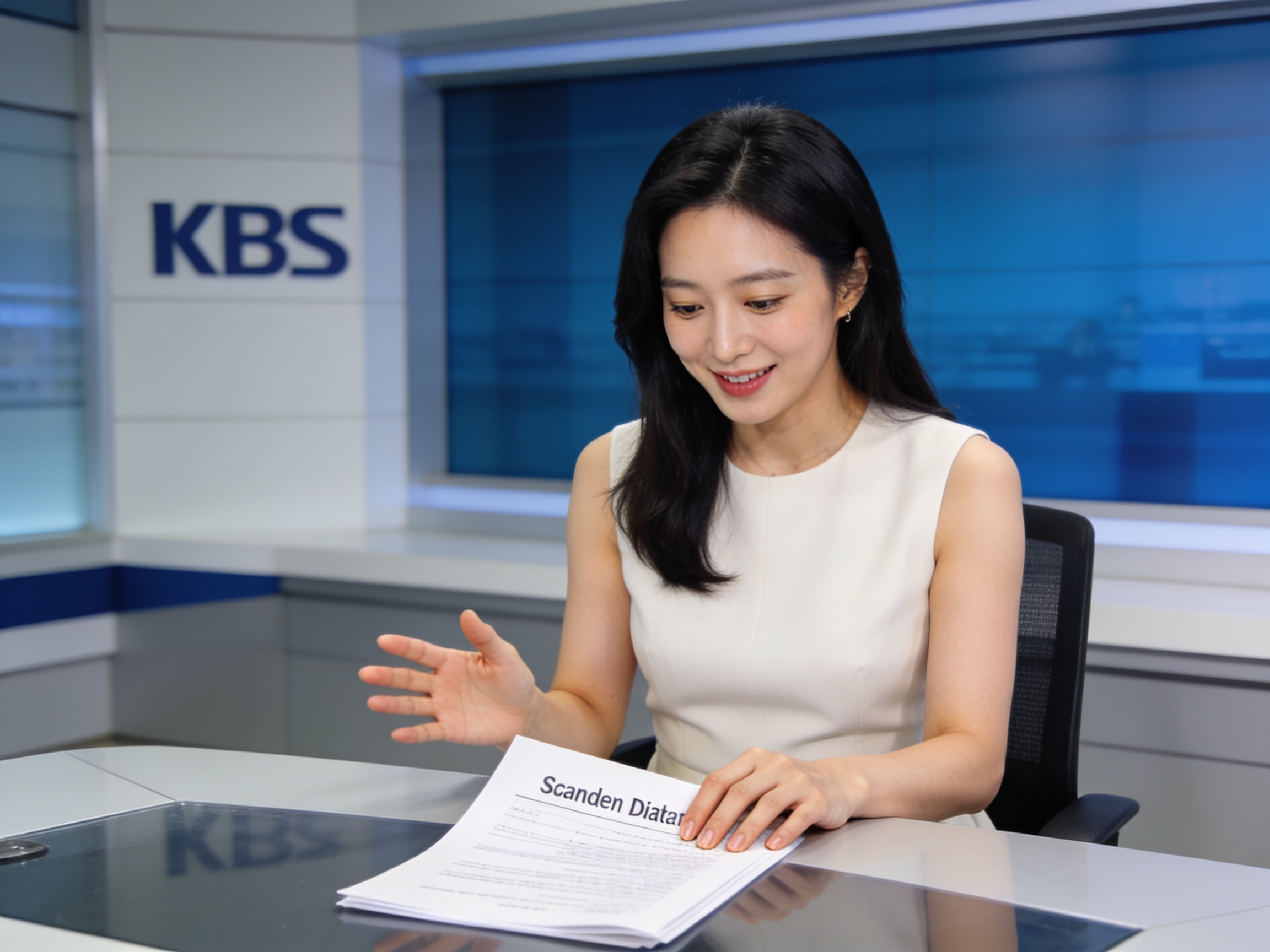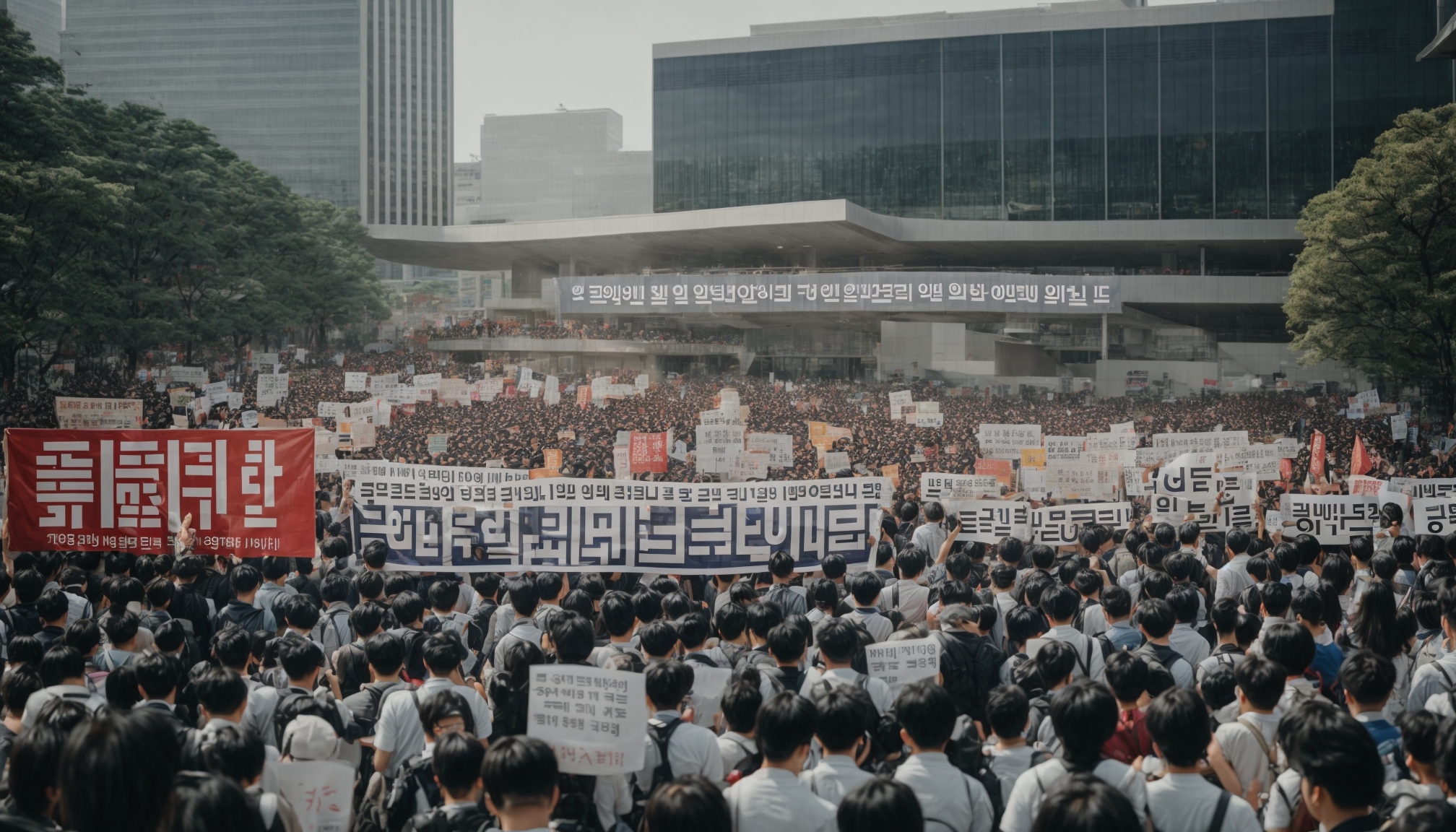

KpopStarz Smashing – When KBS World broadcast a 47-minute investigative segment in late 2023 dissecting the predatory trainee contract system embedded in major K-pop agencies, over 2.3 million viewers tuned in within 48 hours, making it one of the network’s most-watched non-drama programs of the year. The numbers alone reveal how deeply the public appetite for Korea entertainment industry scandals has grown, and why KBS World has increasingly positioned itself as a watchdog voice within the very industry it covers.
Why Korea’s Entertainment Machine Became a Breeding Ground for Scandal
South Korea’s entertainment sector is worth an estimated USD 12.4 billion as of 2024, according to the Korea Creative Content Agency (KOCCA). That scale creates enormous financial pressure at every layer, from the pre-debut trainees locked into multi-year exclusivity clauses to the senior executives negotiating billion-won IP licensing deals. When that much money concentrates in an industry that runs almost entirely on image, the conditions for exploitation and cover-up become almost structurally inevitable.
The pressure is not only financial. Korea’s Confucian-rooted hierarchy culture – where challenging a senior figure is socially punishable – means that misconduct inside entertainment companies often goes unreported for years. A 2022 survey by the Korea Journalists Association found that 61% of entertainment reporters admitted to self-censoring at least one story about a major agency due to fear of losing press access. That silence is precisely the gap that KBS World, as a public broadcaster, has attempted to fill.
KBS World’s Investigative Coverage of Korea Entertainment Scandals
KBS World occupies a structurally unique position in the Korean media landscape. As the international arm of Korea’s primary public broadcaster, it carries both the editorial credibility of a government-charter institution and the global distribution reach that private networks lack. This dual mandate has made it the outlet most likely to run prolonged investigative pieces on Korea entertainment industry scandals without the commercial entanglements that silence competitors.
The Trainee Contract Exposé and Its Fallout
In the 2023 trainee contract investigation, KBS World’s team reviewed over 80 actual contract documents obtained through industry insiders and former trainees. Reporters found that average trainee debt to agencies, covering training fees, accommodation, and styling costs, reached KRW 150 million (approximately USD 112,000) before a single album was released. More troubling, the contracts included non-compete clauses extending up to seven years post-termination. Several legal experts interviewed on camera called this a structural debt-bondage arrangement. The coverage triggered a formal review request from the Korea Fair Trade Commission within two weeks of broadcast.
Bullying, Mental Health, and the ‘Dark Trainee’ Narrative
A follow-up KBS World series in early 2024 tackled the psychological toll of the idol-manufacturing pipeline, featuring anonymous testimonies from fifteen former trainees across six major agencies. One subject, identified only as ‘K’, described being told at age 16 that her nose shape was ‘commercially unacceptable’ and that surgery was implied rather than explicitly required. The series drew on data from the National Mental Health Center showing that entertainment industry workers under 25 had a depression diagnosis rate 2.8 times the national average for the same age group, a statistic that circulated widely across global K-pop fan communities on X (formerly Twitter).
High-Profile Scandals That Defined the Industry’s Recent History
KBS World’s investigative work does not exist in a vacuum. It is anchored in a decade of seismic industry events that reshaped public perception of K-pop and Korean drama ecosystems permanently. The 2019 Burning Sun scandal, involving a Kakao Talk group chat with explicit non-consensual content shared among several idol figures and business figures, led to criminal charges and the collapse of major agency partnerships. It remains the single most-referenced inflection point in how international audiences began questioning the idol system’s ethics.
More recently, the 2023 financial fraud allegations against a mid-tier agency CEO, who had allegedly diverted artist revenue into personal cryptocurrency investments, demonstrated that the corruption is not limited to interpersonal conduct but extends into fiduciary betrayal. KBS World’s three-part series on that case included testimony from the agency’s own accounting staff, a journalistic access level that few private broadcasters could have secured without risking advertiser backlash.
Read More: BBC: The dark side of South Korea’s K-pop industry
What Most Coverage Gets Wrong About These Scandals
The dominant international media narrative frames Korea entertainment industry scandals as cultural anomalies, exotic byproducts of a ‘uniquely intense’ Korean work ethic. This framing is analytically lazy and factually misleading. The structural mechanisms driving these scandals – talent debt bondage, asymmetric contracts, institutional silence around abuse – are not uniquely Korean. They mirror documented patterns in the early Hollywood studio system, the UK’s independent music scene in the 1990s, and current controversies in the American influencer-agency space.
What is specifically Korean is the speed of scale. The idol system industrialized what Western pop industries developed over decades into a compressed 15-year sprint, meaning both the financial rewards and the structural abuses compounded at an accelerated rate. KBS World’s most incisive reports have begun making this comparative argument explicitly, positioning Korean entertainment reform not as cultural correction but as a case study in what happens when an unregulated creative economy grows faster than its governance infrastructure.
The Fan Economy Complication
One layer that almost no international outlet explores with rigor is the complicity of fandom economics. According to a 2023 Hybe investor report, a single top-tier idol group’s ‘fandom monetization products’, think fan sign lottery tickets, layered album variants, and paid livestream access, generated KRW 87 billion in a single fiscal year. This revenue stream is entirely dependent on fans who are simultaneously the most likely to report misconduct and the most economically incentivized to suppress it to protect their investment in an artist’s career. KBS World’s coverage has begun mapping this tension directly, arguing that fan culture is not merely a backdrop to industry scandals but an active structural element that agencies exploit to create a self-policing suppression mechanism among the most vocal stakeholder group.
Concrete Steps for Audiences Following Korea Entertainment Industry Scandals
If you follow K-pop or Korean drama closely and want to engage with these issues beyond passive consumption, there are specific actions that carry actual weight. Supporting organizations like the Korea Entertainment Industry Worker Rights Association (KEIWA) by sharing their formally documented case reports gives investigative journalists sourcing leverage when agencies deny misconduct. When a scandal breaks, comparing initial agency statements against KBS World’s follow-up coverage 72 hours later often reveals the specific factual concessions agencies quietly make once broadcast pressure builds.
How to Critically Evaluate Scandal Coverage
For any Korea entertainment industry scandal story you encounter, apply this filter: check whether the outlet has named a specific legal instrument (contract clause, criminal charge category, regulatory body) rather than speaking in vague moral language. Vague moral framing is almost always a sign the journalist did not have access to primary documents. KBS World’s strongest investigations are distinguishable precisely because they cite specific contract provision numbers, legal article references under Korean civil law, and named regulatory outcomes. If a story lacks all three, treat it as preliminary noise rather than established reporting.
Engaging With Industry Reform Advocacy
The Korea National Assembly’s Culture, Sports and Tourism Committee has an active petition portal where international audiences can submit formal comments on proposed entertainment labor reform legislation. During the 2023 Standard Contract Amendment hearings, the committee recorded over 14,000 international submissions, a figure that committee members cited publicly as evidence of global stakeholder interest. That kind of documented external pressure demonstrably accelerates legislative timelines in Korean governance, where international reputation management is a policy priority.
FAQ: Questions About Korea Entertainment Industry Scandals
What is the most significant Korea entertainment industry scandal covered by KBS World?
The 2023 trainee contract investigation is widely considered KBS World’s most impactful exposé, directly prompting a Korea Fair Trade Commission review. The report revealed average trainee debt reaching KRW 150 million and non-compete clauses extending up to seven years, raising serious legal and ethical concerns about the idol manufacturing system.
How does KBS World differ from private Korean broadcasters in covering entertainment scandals?
As a public broadcaster, KBS World is not structurally dependent on advertising revenue from major entertainment agencies, which removes the commercial pressure that causes private networks to self-censor. This independence allows KBS World to pursue multi-part investigative series and cite primary documents that commercially entangled outlets typically avoid.
Are Korea entertainment industry scandals getting worse, or is media coverage simply improving?
Both factors are at play simultaneously. The industry’s rapid financial scaling since 2010 has intensified the structural conditions for exploitation, while the growth of global K-pop fanbases has created an international audience that amplifies local reporting far beyond its traditional reach. A scandal that might have been contained domestically in 2010 now generates global news cycles within hours.
What legal protections do Korean entertainers currently have against contract abuse?
The Korea Fair Trade Commission introduced standard contract guidelines for entertainers in 2009, revised in 2023, which cap exclusive contract terms at seven years and require agencies to itemize trainee debt. However, enforcement relies on individual complaints rather than proactive audits, meaning most protections only activate after harm has already occurred. Legal aid organizations like the Korea Entertainment Legal Aid Center provide free consultation for affected artists.
Can international fans meaningfully influence reform in Korea’s entertainment industry?
International fan pressure has measurable legislative impact, as demonstrated by the 14,000 international submissions to the 2023 National Assembly hearings on standard contracts. The most effective action is submitting formal written comments to regulatory bodies rather than social media campaigns, since documented submissions enter the official legislative record and are cited in committee deliberations.
The Korea entertainment industry scandals surfaced by KBS World and peer investigators are not isolated celebrity gossip. They document the fault lines inside a USD 12.4 billion creative economy that exports culture globally while managing labor conditions that would trigger regulatory intervention in most OECD countries. The question is not whether reform will come, but whether the governance infrastructure can move faster than the next scandal cycle. For audiences with genuine interest, the most powerful position is informed, documented engagement rather than either uncritical fandom or reflexive outrage.